Why circuits stop working
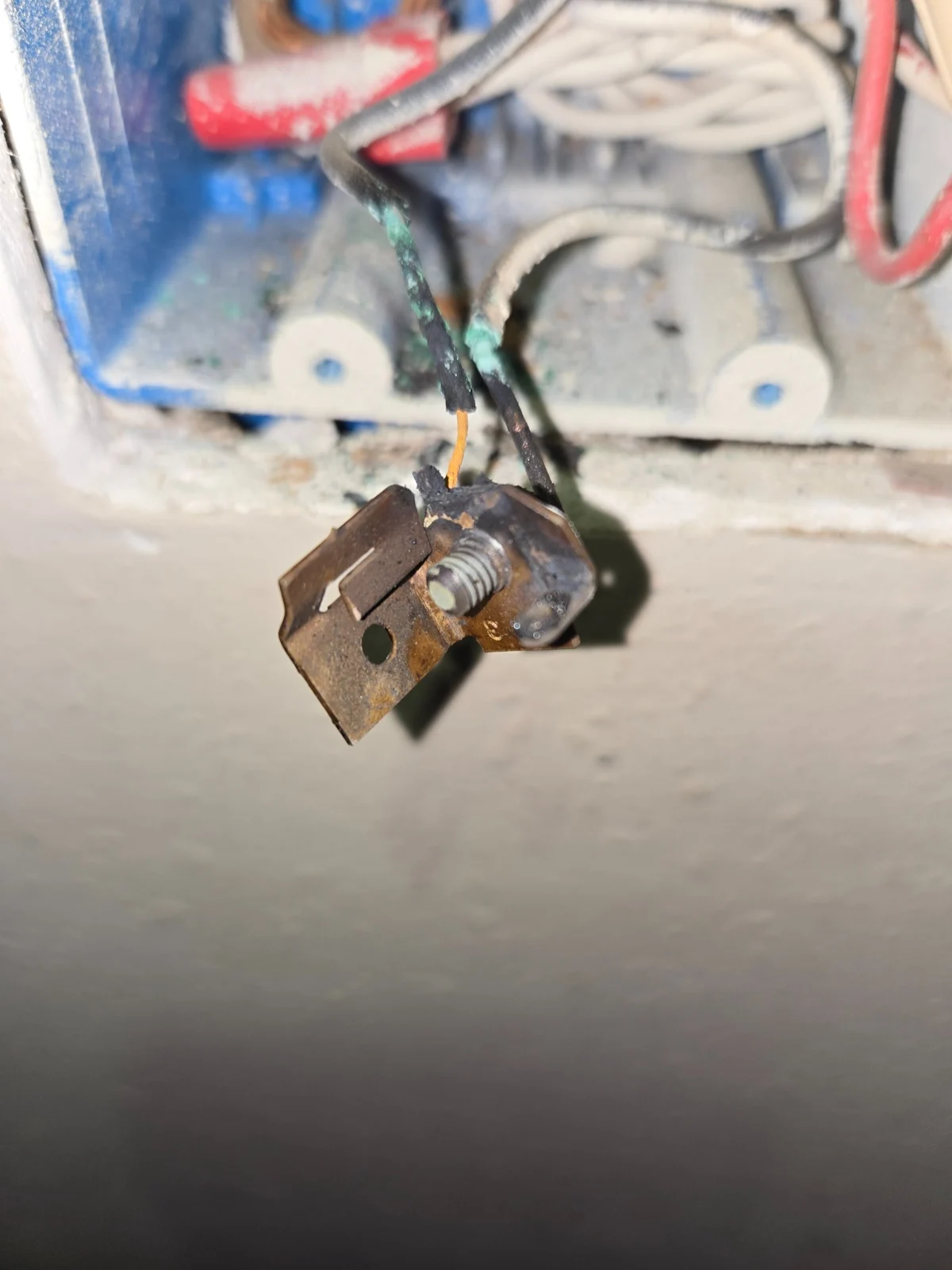
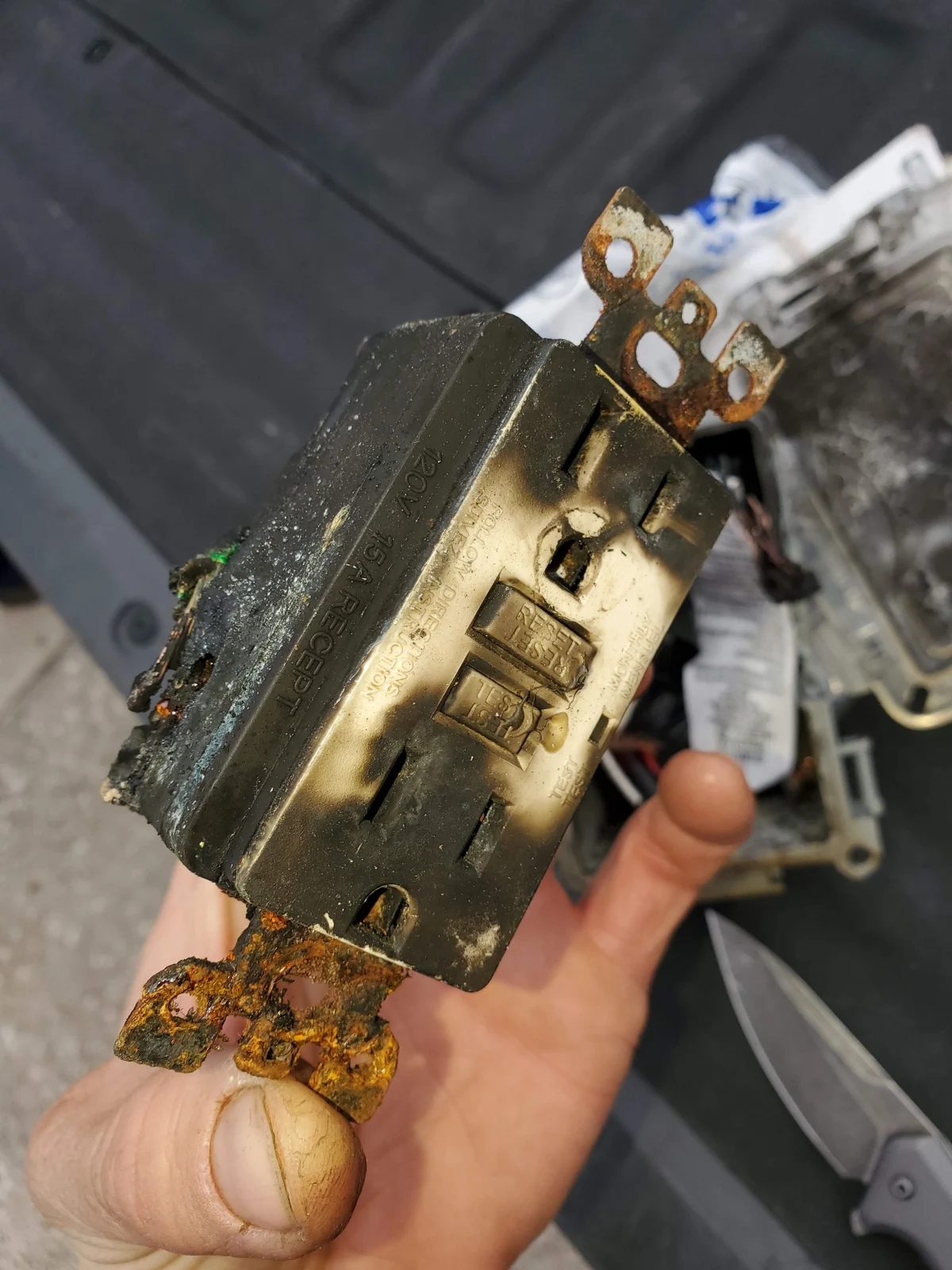
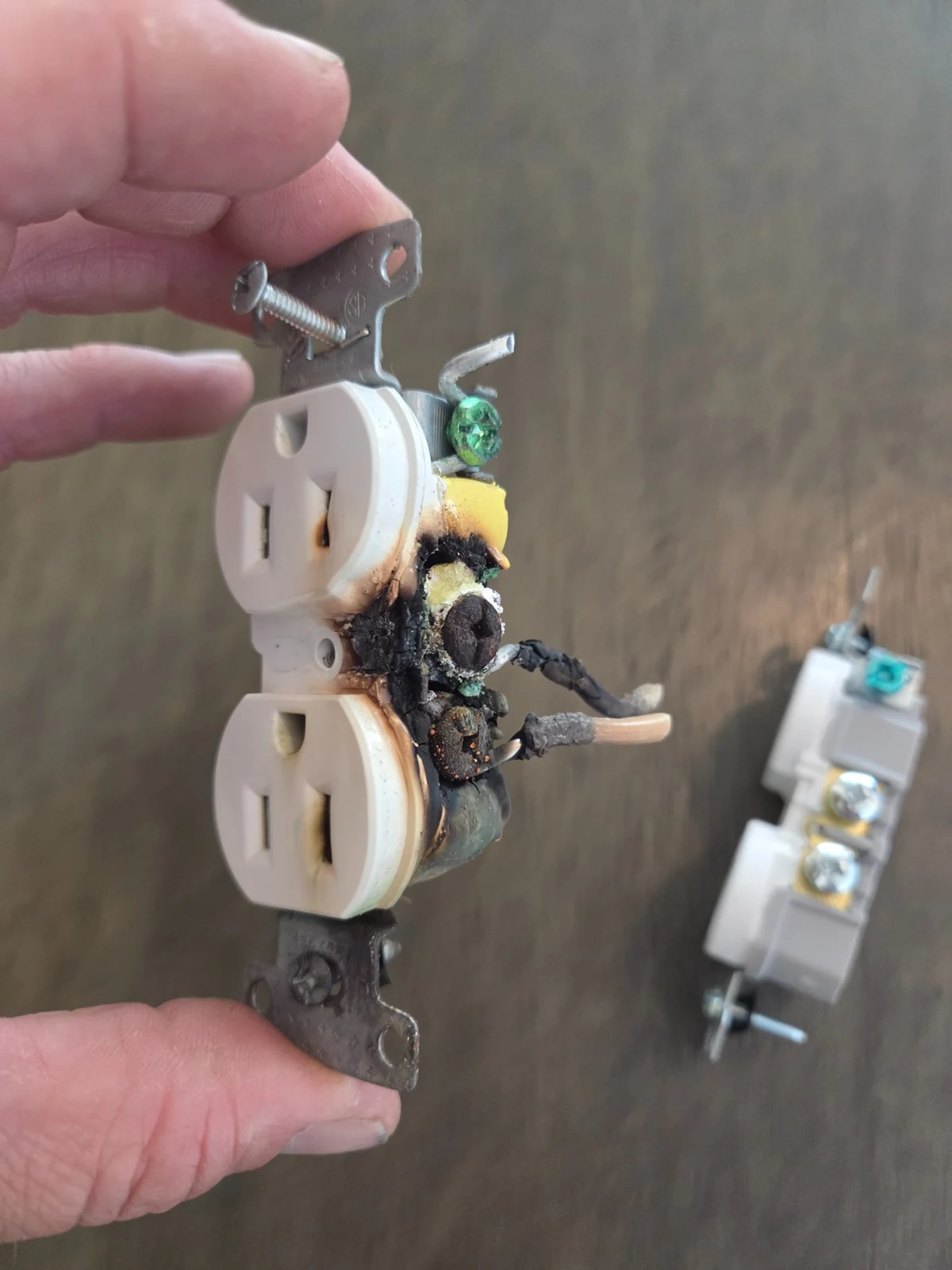
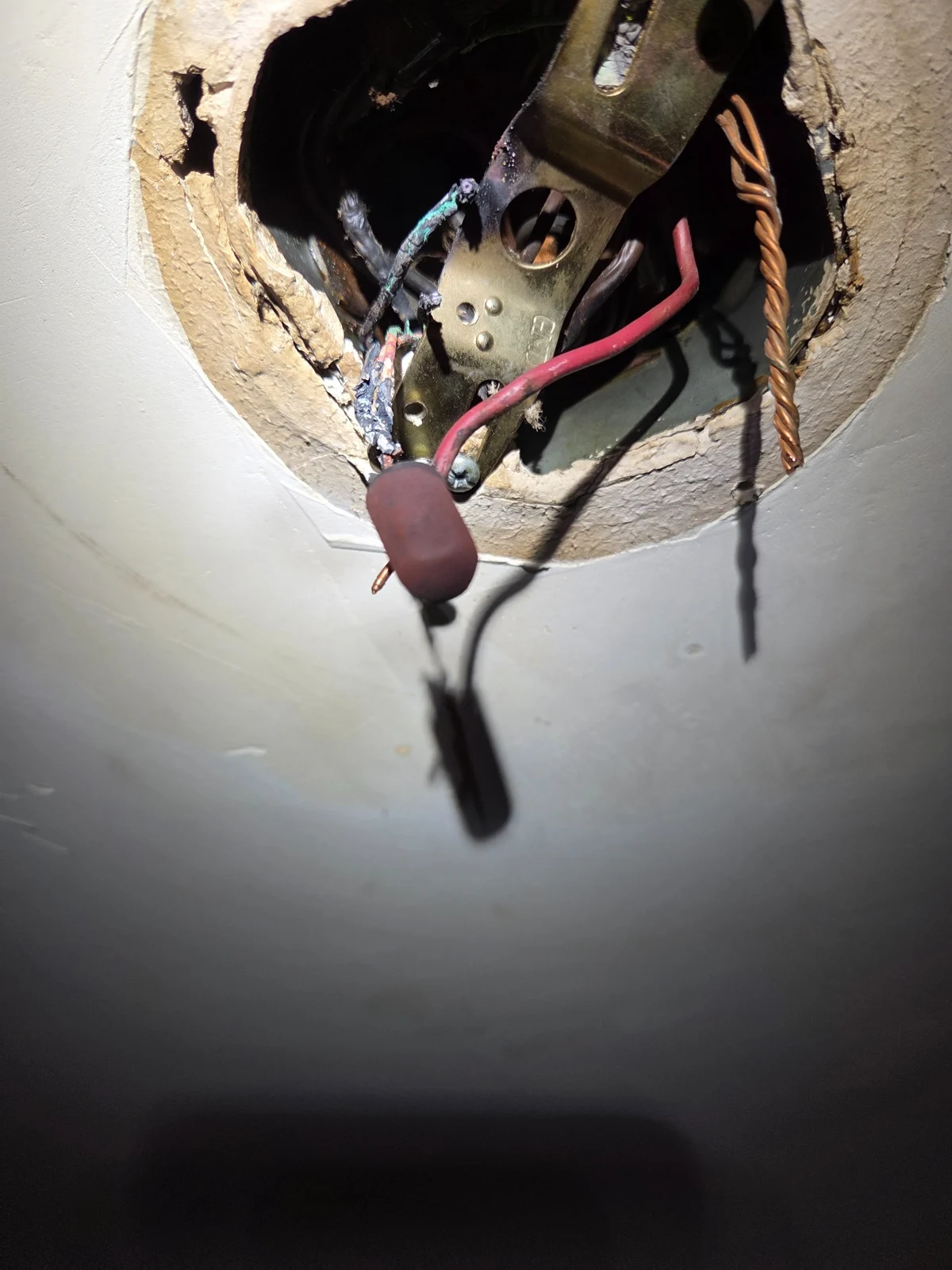
Loose terminals, worn contacts, damaged conductors, moisture, overloads and failed splices can interrupt power. A high resistance connection may overheat or arc without producing the kind of overcurrent that immediately trips a breaker. We trace the cause rather than simply replace the visible device.
Backstab connections deserve a closer look
Traditional backstab terminals hold a conductor with a spring contact. A damaged, poorly seated or misused connection can become intermittent and hot. Listed push in connections are not automatically defective; the conductor type, size and manufacturer’s instructions matter. Leviton’s Quickwire guidance, for example, limits those terminals to specified solid conductors.
We replace failing devices and make suitable, correctly tightened connections. A screw clamp back wire connection is not the same design as a spring backstab. Both under tightening and over tightening can cause trouble, so torque follows the device’s instructions.
Aluminum branch wiring needs approved methods
Older aluminum branch circuit connections can deteriorate and overheat. Adding a copper pigtail with an ordinary connector is not an adequate repair. CPSC identifies copper rewiring and COPALUM repairs, with AlumiConn as an alternative where COPALUM is unavailable, subject to the required installation methods.
We evaluate the wiring and use connectors and procedures appropriate to the actual conductors. Warm plates, burning odors, discoloration, buzzing or intermittent power warrant prompt attention. Stop using affected devices and arrange an evaluation.